In the arc of human history, beauty standards have largely been dictated by the few for the many. From the pin-up curves of Marilyn Monroe in the 1950s to the “heroin chic” aesthetic of the 1990s, the “ideal” female form has historically been a narrow, often unattainable needle for the general public to thread. However, a decade of digital transformation has dismantled these gatekeepers. Social media has not only revolutionized how we communicate; it has fundamentally re-engineered the very standards of beauty. For the first time in history, the singular, airbrushed standard of pop culture and traditional advertising is being challenged by a grassroots wave of inclusivity. Platforms like Instagram, TikTok, and YouTube have become digital theaters where creators of every size, shape, and ethnic background command the spotlight. This shift toward representation is more than just a trend—it is a total restructuring of the American self-image.
‘Plus’ is the New Baseline: The Myth of Size 14
As the body-positivity movement gains momentum, a startling gap has emerged between public perception and biological reality. For years, the fashion industry and media outlets operated under the assumption that the “average” American woman wore a size 14.
However, a landmark study published in the International Journal of Fashion Design, Technology and Education has debunked this figure. According to researchers, the “average” American woman (AAW) is significantly larger than previously documented.
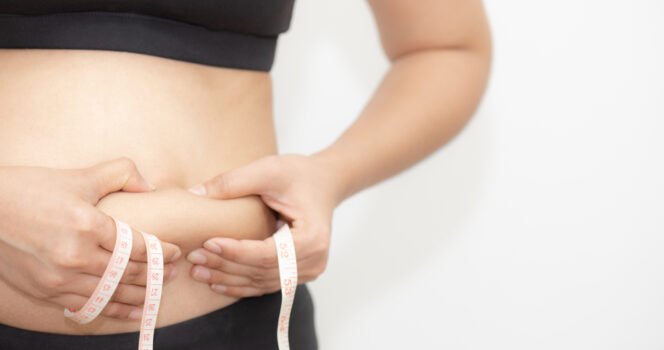
“Contrary to popular assumptions, the average American woman’s clothing size is larger than anticipated,” the study notes. The data reveals that the average woman now wears between a misses size 16 to 18, which corresponds to a women’s plus size 20W. Furthermore, the study determined that the average waist circumference has expanded from 34.9 inches to 37.5 inches over the last twenty years.
“Just knowing where the average is can help a lot of women with their self-image,” explained lead expert Susan Dunn. She insists that the apparel industry must acknowledge these figures. “These women aren’t going away… and they deserve to have clothing that fits well, both in style and measurements.”
The Weight of a Nation: Examining the Upward Trend
The shift in clothing sizes is mirrored by data from the Centers for Disease Control and Prevention (CDC). Statistics confirm a steady upward trajectory in physical mass: the average American woman today weighs approximately 170.6 pounds, a significant leap from the 140-pound average recorded in the 1960s.
Journalistic analysis points to a complex intersection of factors driving this trend:
Lifestyle Evolution: The transition to sedentary, desk-bound occupations combined with the ubiquity of high-calorie, ultra-processed foods has fundamentally altered the American metabolic profile.
Cultural De-Stigmatization: A celebratory shift toward larger body types has lessened the societal pressure to engage in obsessive, often harmful, dieting behaviors.
The Environmental Nexus: Stress levels, genetic predispositions, and disparate access to fresh, healthful foods—often referred to as “food deserts”—play critical roles in shaping the modern silhouette.
Beyond Aesthetics: The Clinical Reality
While social media has been a powerful tool for empowerment and global connectivity, a decade of observation reveals a darker paradox. The World Health Organization (WHO) reports that global obesity rates have doubled since 1990. While “big is beautiful” is a vital message for mental health and self-esteem, medical institutions like the Mayo Clinic warn that the conversation must remain grounded in clinical reality.
“Obesity isn’t just a cosmetic concern,” the clinic asserts. It is a chronic medical condition affecting some 2.5 billion adults worldwide, significantly elevating the risk of heart disease, type 2 diabetes, hypertension, sleep apnea, and various forms of cancer. The challenge for the modern consumer is navigating a world that celebrates body diversity while simultaneously managing the very real health risks associated with excessive weight gain.
The Editorial Verdict: Individuality Over Industry
The narrative of beauty is no longer a monologue delivered by fashion editors; it is a global conversation. Social media has amplified the message that beauty is found in individuality rather than a pre-fabricated mold. If used mindfully, these platforms can continue to act as a liberating force, ensuring that the “average” woman is no longer invisible, but seen, respected, and properly outfitted for the life she leads.