In the public imagination, parasites are often cast as the villains of far-flung tropical locales or products of extreme poverty. However, as any veteran health correspondent can tell you, the reality is far more pervasive and closer to home. Thousands of years into the human story, parasitic infections remain a formidable global health challenge. Annually, nearly two billion people—roughly a quarter of the world’s population—suffer from these infections, with hundreds of thousands of fatalities recorded each year. While modernization and enhanced sanitation have pushed infection rates down in nations like Vietnam, the risk has not been eradicated; it has merely moved into the shadows of our everyday routines. One of the most significant, yet frequently ignored, vectors of infection is the very foundation of a healthy diet: fresh vegetables. Specifically, those cultivated in wet, muddy, or swampy environments serve as the primary conduits for parasite eggs, larvae, and resilient microorganisms.
When these “aquatic” vegetables are consumed raw or underprepared, the risk of transmission spikes. To protect long-term wellness, it is vital to identify high-risk produce and master the art of safe preparation.
The “High-Risk Five”: From Wetland to Table
Certain vegetables are more prone to contamination due to their unique growing environments. Here are five staples that require a cautious hand in the kitchen:
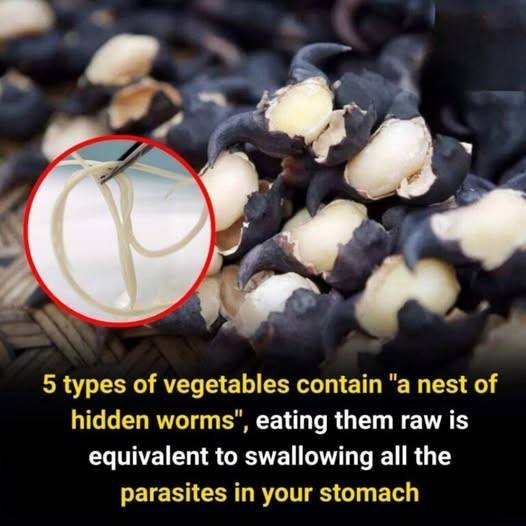
1. Water Chestnut Prized for its satisfying crunch and subtle sweetness, the water chestnut’s origin is its Achilles’ heel. It thrives in swamps and flooded paddies—ecosystems where worms and bacteria are endemic. Ingesting raw water chestnuts can lead to acute gastric distress, nausea, and intestinal infections, particularly for those with compromised or sensitive digestive tracts.
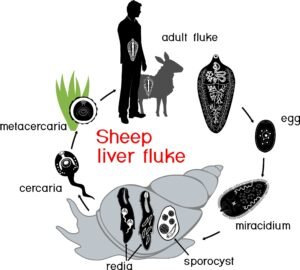
2. Water Celery Often found along the damp banks of rivers and wetlands, water celery is a magnet for liver flukes. These parasites often originate in livestock or wildlife and find a convenient host in the plant’s moisture-loving stems. Consuming this vegetable without the intervention of heat significantly raises the risk of liver-related parasitic disease.
Shutterstock
3. Arrowhead While nutritionally dense, the arrowhead tuber possesses a rough, textured exterior that acts as a velcro for parasites. If undercooked, these stowaways enter the human system, potentially causing chronic abdominal discomfort, generalized weakness, and significant nutrient malabsorption.
4. Water Caltrop The sweet, nutty flavor of the water caltrop often tempts diners to eat it raw. Unfortunately, it is a frequent carrier of intestinal worms. These organisms can trigger debilitating stomach cramps and diarrhea; in chronic cases, they can lead to anemia as the parasites compete with the host for vital nutrients.
5. Lotus Root A culinary icon that grows deep within the mud of ponds and canals, the lotus root is highly susceptible to schistosomes and other parasite eggs. Without rigorous washing or thorough cooking, these organisms can take up residence in the intestines, causing persistent ulcers and long-term digestive disorders.
A Journalist’s Guide to Food Safety: Neutralizing the Threat
Protecting your family from these invisible threats doesn’t require avoiding these nutritious foods; it simply requires a disciplined approach to the kitchen.
The Power of the Rinse: Prevention starts at the tap. Rinse vegetables under a strong stream of running water. For high-risk items, soak them multiple times in clean water—or a mild saline solution—to dislodge stubborn contaminants and silt.
Mechanical Scrubbing: For vegetables with grooves, folds, or fine hairs, use a dedicated vegetable brush. For root-based produce, the rule is simple: always peel the outer layer, as this is where the majority of parasite eggs adhere.
Thermal Kill: The Ultimate Defense: Heat remains the most effective weapon in your culinary arsenal. High temperatures effectively destroy parasites and their eggs. Whether you choose to steam, boil, or stir-fry, ensure the food reaches a temperature that renders it safe.
The Salad Paradox: If you must consume these vegetables raw in salads, prioritize sourcing from reputable, high-quality vendors and be twice as meticulous in your cleaning process.
The Bottom Line
Fresh produce is the cornerstone of vitality, but careless handling can transform a nutritious meal into a biological hazard. The age-old wisdom of “cook it thoroughly and wash it well” remains the most potent defense we have against parasitic infection. By adopting these safe preparation habits, you ensure that your dinner table remains a place of health, not a gateway for uninvited guests.