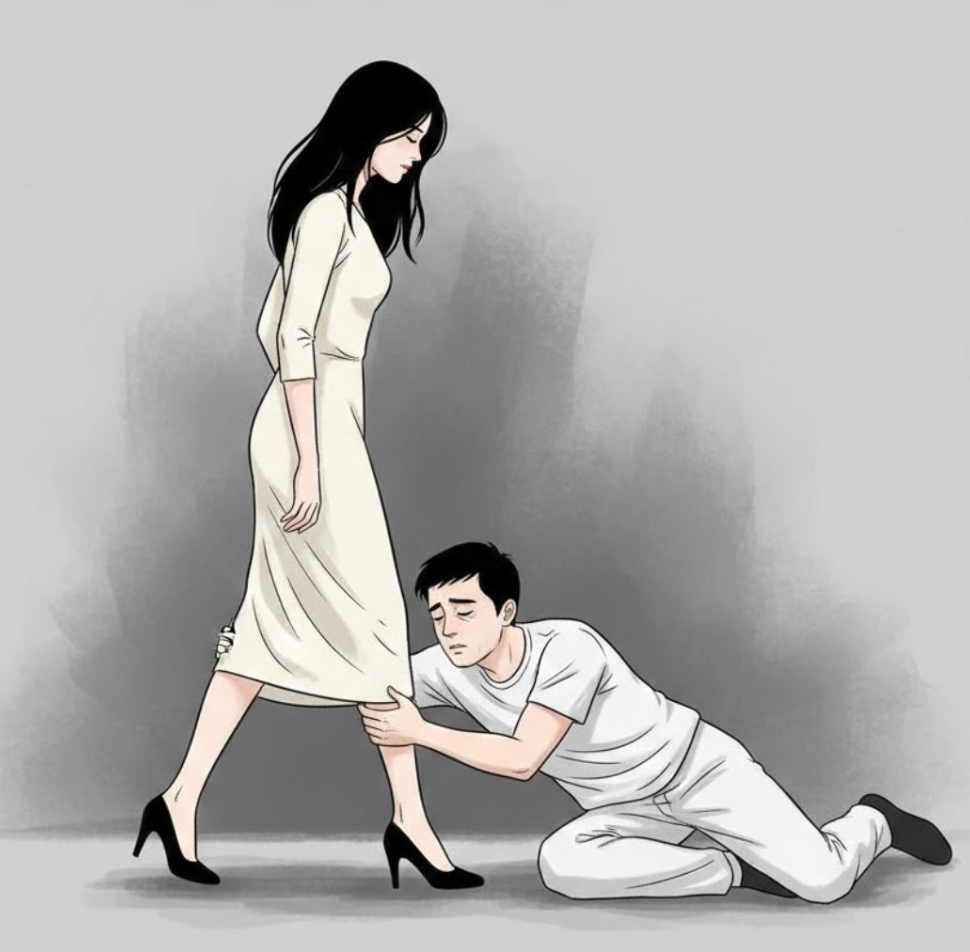
In the complex architecture of modern romance, few experiences are as corrosive to the spirit as the realization that your partner no longer sees your value. When appreciation vanishes, it is replaced by a painful, lingering confusion. You may find yourself trapped in a cycle of self-doubt, questioning if you have failed or if you are simply “not enough.” However, the fundamental truth remains: mutual respect and active appreciation are not “bonuses” in a relationship—they are the baseline.
Recognizing the Red Flags of Neglect
Before a solution can be implemented, one must accurately diagnose the symptoms of a lopsided dynamic. Appreciation isn’t just about grand gestures; it is found in the daily recognition of your presence and effort. Here are the critical signs that a man has stopped valuing your contribution to the partnership:
The Assumption of Presence: He takes you for granted, operating under the entitlement that you will remain a constant support system regardless of how little effort he invests in return.
The De-prioritization Shift: You find yourself sliding down his list of priorities. Work, personal hobbies, or social circles consistently take precedence over quality time with you.
The Absence of Gratitude: The “thank you” has vanished from his vocabulary. Small acts of kindness or daily chores you perform are met with silence rather than acknowledgment.
The Critical Pivot: Rather than offering support, he becomes dismissive or overtly critical. This behavior is designed—consciously or not—to belittle your confidence and make you feel inferior.
Taking Action: Establishing the New Standard
If these signs resonate, the time for passive hope has passed. Reclaiming your sense of self requires a strategic shift in how you engage with the relationship. This is not about “fixing” him, but about fortifying your own standards.
1. Identify Your Non-Negotiables Self-reflection is the first step. You must determine your “hard lines”—the behaviors you will no longer tolerate. Whether it is being spoken to with disrespect or being ignored for days on end, you must define what a healthy relationship looks like for you.
2. Articulate Your Boundaries Communication must be surgical and clear. Inform him of your boundaries without ambiguity. This isn’t a request; it is a statement of fact regarding how you require to be treated. Be explicit about the shift in the dynamic and the potential consequences should these boundaries be breached.
3. The Power of Enforcement A boundary without a consequence is merely a suggestion. To be valued, you must be prepared to follow through. If he continues to disrespect the lines you have drawn, you must be willing to enact the consequences you discussed, up to and including re-evaluating the future of the relationship.