Despite decades of medical advancement, heart disease maintains its grim status as a leading cause of mortality across the globe. What makes this condition particularly treacherous is the ease with which its earliest warnings are dismissed. Too often, these red flags are misidentified as the byproduct of a stressful week, the natural progression of aging, or mere “everyday fatigue.” While the popular imagination often views a heart attack as a sudden, thunderous event, the physiological reality is that the body frequently begins broadcasting subtle distress signals weeks or even months in advance. Understanding this “cardiac code” is, in the most literal sense, life-saving knowledge. Identifying these messages early allows for medical intervention before irreversible damage occurs and before a manageable condition escalates into a catastrophic emergency.
Six Critical Warning Signs You Should Never Ignore
Health professionals urge individuals to maintain a high level of “symptom awareness” regarding the following six indicators:
Unusual Fatigue: We all experience tiredness, but cardiac fatigue is distinct. Feeling profoundly exhausted despite a full night’s rest—or becoming winded by a simple flight of stairs or basic household chores—may indicate the heart is laboring under significant strain.
Respiratory Distress: Difficulty breathing during routine movements, or a sudden shortness of breath while resting or lying flat, can be a primary indicator that the heart is struggling to circulate blood efficiently. Waking up gasping for air in the middle of the night is a particularly urgent signal.
Chest Discomfort: It is a common misconception that heart pain must be “crushing.” Feelings of pressure, heaviness, burning, or a mild tightness that periodically appears and fades are often early indicators. Because the sensation isn’t always severe, many wait too long to seek help.
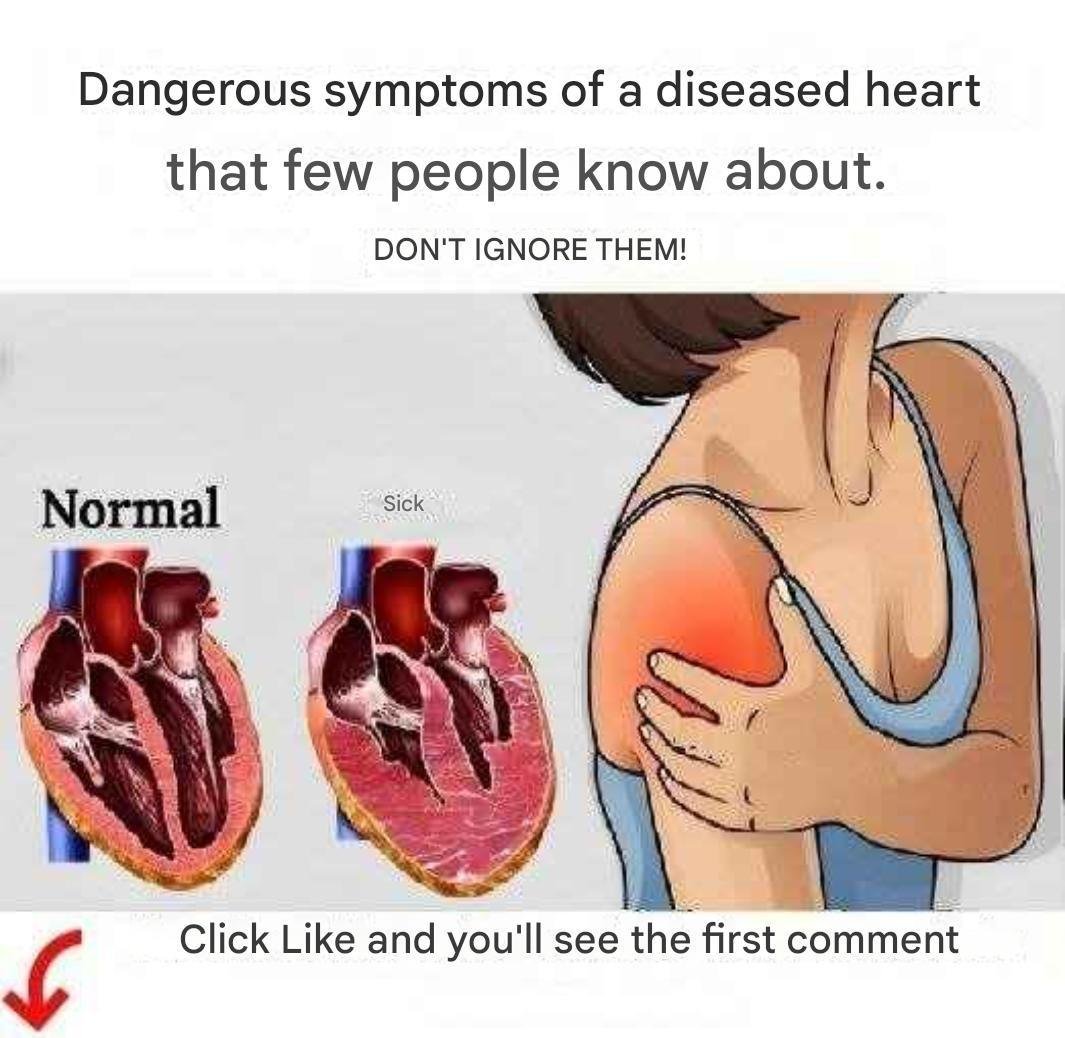
Referred Pain: The heart doesn’t always hurt in the chest. Discomfort can radiate to the arms, shoulders, back, neck, jaw, or upper stomach. This dull, squeezing, or aching sensation is frequently misidentified as muscle strain or indigestion.
Dizziness and Cognitive Fog: Feeling faint, unsteady, or suddenly confused may be the result of decreased blood flow to the brain—a direct consequence of a heart that is not pumping with sufficient strength to meet the body’s demands.
Peripheral Edema: Visible swelling in the feet, ankles, or legs often points to fluid buildup. This occurs when the heart’s pumping capacity is diminished, causing blood to pool in the extremities. Persistent swelling without an injury warrants immediate evaluation.
The Power of Proactive Detection
The value of recognizing these symptoms lies in the gift of time. Because these signs can manifest long before a major cardiac event, they offer a critical window for diagnostic testing, pharmaceutical intervention, and aggressive lifestyle modifications. Catching heart disease in its “quiet phase” dramatically improves long-term prognosis and quality of life.
Safeguarding Your Cardiovascular Future
Beyond symptom recognition, a heart-healthy life is built on a foundation of consistent, everyday choices. Experts recommend a multi-pronged approach to prevention:
Nutritional Foundation: Prioritize a diet anchored in whole grains, lean proteins, healthy fats, and a diverse array of fruits and vegetables.
Consistent Movement: Engage in regular physical activity tailored to your personal abilities to maintain arterial health and muscle tone.
Stress Management: Utilize deep-breathing exercises, hobbies, and social connections to mitigate the physiological impact of chronic stress.
Restorative Sleep: Aim for high-quality sleep to allow the cardiovascular system to repair and regulate.
Clinical Vigilance: Schedule regular checkups. This is especially vital for those with high-risk markers such as hypertension, diabetes, a history of smoking, high cholesterol, or a family history of heart disease.
Join the Conversation
Your heart works tirelessly for you every second of every day. Treating it with the respect and attention it deserves is perhaps the most significant investment you can make in your future happiness.
We want to hear your perspective: Have you or a loved one ever experienced these “quiet alarms”? Do you believe our society pays enough attention to these subtle signals?
Help us build a more heart-aware community. If you found this information valuable, consider sharing it with your network—you never know whose life might be saved by recognizing a symptom they thought was “just stress.”