
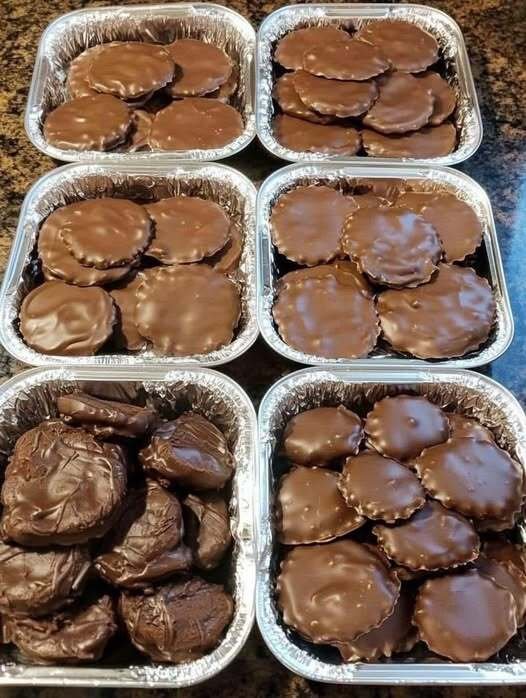
Classic Turtle Candy stands as one of those rare homemade confections that feels both indulgent and enduring, built on a simple yet perfectly judged trio of ingredients: pecans, caramel, and chocolate. Crunchy, toasted nuts form the foundation, topped with rich, buttery caramel and finished with a smooth layer of chocolate that brings everything together. The result is a balanced bite that delivers contrast and harmony at once, a combination that has remained beloved across generations. Each piece invites a moment of pause, encouraging the eater to slow down and appreciate the layers of flavor and texture working together. Long associated with old-fashioned candy counters and carefully arranged holiday dessert trays, turtle candies have never lost their appeal. Their charm extends beyond taste alone. There is a sense of comfort wrapped into each bite, something deeply familiar and reassuring. For many, they stir memories of winters spent with family, of small paper boxes tied with string from local chocolatiers, or of homemade sweets shared during festive gatherings. This emotional connection, tied to warmth, generosity, and tradition, plays a powerful role in why turtle candy continues to endure.
Part of their lasting popularity lies in their accessibility. Turtle candies are impressive without being complicated. They require no specialized tools or professional techniques—just a saucepan, a baking sheet, and a bit of patience. The process is straightforward, making them approachable even for beginners. Shaping each candy by hand gives them a rustic quality that feels intentional rather than imperfect. There is a quiet satisfaction in creating something so rich and polished with such simple means, and that sense of accomplishment enhances the enjoyment of every bite.
That handmade nature also contributes to their visual appeal. No two turtle candies are ever exactly alike. Some may be slightly domed, others flatter, with chocolate that settles differently from piece to piece. This natural variation gives each batch character and personality. Whether prepared for a holiday table, wrapped as homemade gifts, or enjoyed privately, their imperfect edges and glossy finish signal care and effort. When shared, they communicate something personal—proof that time and attention went into making them.
Versatility is another reason turtle candy remains a favorite. While milk chocolate is the traditional choice, dark chocolate adds depth and a bittersweet contrast, and white chocolate offers a softer, creamier sweetness. Pecans are classic, but almonds or cashews can bring a different texture and flavor profile. Toasting the nuts beforehand enhances their warmth and richness, while a light sprinkle of sea salt can sharpen and elevate the sweetness. This flexibility allows each maker to adapt the recipe to personal taste, seasonal ingredients, or creative inspiration.
Beyond their flavor and appearance, turtle candies serve a social purpose. They are meant to be shared, lingered over, and enjoyed slowly. A plate of them on a holiday table often sparks conversation, prompting stories of past celebrations and cherished traditions. Given as gifts, they create moments of connection that feel thoughtful and sincere. In a world that often moves too fast, turtle candy invites people to pause, gather, and enjoy something simple and genuinely comforting.
Ultimately, this classic confection proves that a few well-chosen ingredients, handled with care, can create something truly memorable. Rich without being overwhelming, nostalgic without feeling outdated, turtle candy continues to delight new generations while honoring the past—one carefully crafted bite at a time.
Interesting For You


